
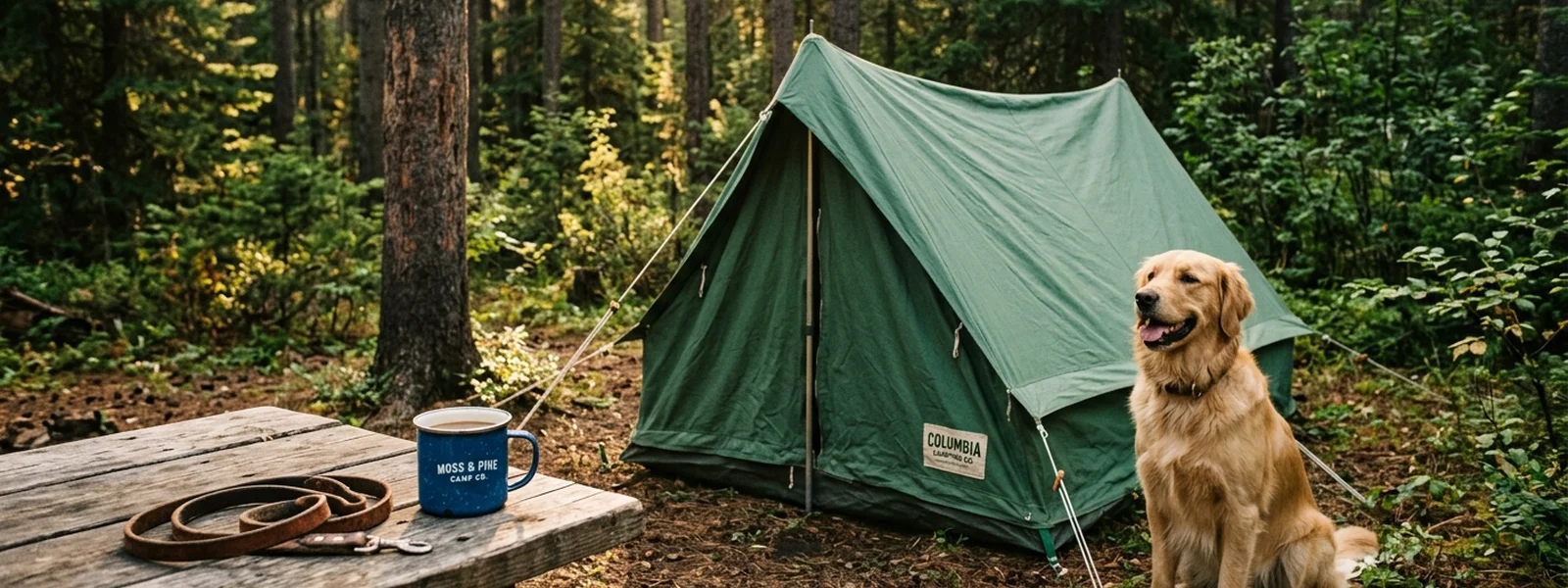
The Reality of Waking Up Cold
Let's talk about the worst part of camping. It is waking up at three in the morning, shivering so hard your teeth hurt, and waiting for the sun to come up. You check your phone with frozen fingers. It is forty degrees outside. Your sleeping bag clearly says it is rated for forty degrees. So why do you feel like a forgotten bag of peas in the back of a freezer?
Figuring out how to choose a sleeping bag is a rite of passage for every camper. Most of us start with whatever dusty, plaid rectangle we find in our parents' garage or the cheapest option on a big-box store shelf. Then we freeze, complain, and realize it is time to buy something real. The problem is that outdoor gear companies love to throw confusing numbers and technical jargon at you. You just want to sleep warmly in the woods without needing an engineering degree to understand your gear.
A sleeping bag is the most critical piece of gear you bring to the campsite. A bad tent might let in a little rain, and a bad camp stove just means you eat cold beans. A bad sleeping bag ruins your entire trip. If you cannot sleep, you cannot enjoy the trail, the fire, or the company. We are going to break down the technical nonsense into plain English so you can make a smart choice for your next trip.
Sleeping Bag Temperature Rating Explained
The biggest lie in the camping world is the number printed on the side of your sleeping bag. Having a sleeping bag temperature rating explained properly will save you from countless miserable nights. That bold "30°F" printed on the stuff sack does not mean you will be cozy and dreaming of s'mores at thirty degrees. It usually means you will survive at thirty degrees without getting hypothermia.
Most modern sleeping bags use a standardized testing system called ISO or EN ratings. In a laboratory, they put a heated copper dummy dressed in long underwear into the sleeping bag. They measure how much heat the dummy loses. This test produces two distinct numbers: the Comfort Rating and the Lower Limit Rating. Knowing the difference between these two numbers is crucial.
Comfort Rating vs. Lower Limit
The Comfort Rating is the temperature at which a standard "cold sleeper" can sleep comfortably in a relaxed posture. This is the number you should care about. If you are shopping for a bag and you usually camp in forty-degree weather, you want a bag with a Comfort Rating of thirty or thirty-five degrees. Always build in a buffer of at least ten degrees.
The Lower Limit Rating is the temperature at which a standard "warm sleeper" can sleep for eight hours in a curled-up position without waking up. This is a survival metric, not a comfort metric. Many brands advertise the Lower Limit as the main temperature rating because it makes the bag look warmer and more capable than it is. Read the fine print before you buy.
The Variables You Control
Your sleeping bag is just insulation. It does not generate heat; it only traps the heat your body produces. If you go to bed cold, you will stay cold. Doing a few jumping jacks before crawling in, eating a high-calorie snack, or filling a Nalgene bottle with hot water to keep by your feet will drastically change how warm you feel. Hydration plays a massive role in your body's ability to regulate temperature.
What you wear inside the bag matters too. Wearing your thickest jacket to bed is a rookie mistake. Thick layers compress the insulation of the sleeping bag from the inside, ruining its ability to trap air. Wear clean, dry base layers. Never wear the clothes you hiked in, as they hold sweat and moisture that will make you freeze overnight.
The Great Fill Debate: Down vs Synthetic Sleeping Bag
The next major decision is what goes inside the bag. Choosing a down vs synthetic sleeping bag dictates the price, weight, and lifespan of your gear. Both materials have completely different strengths and weaknesses. There is no single "best" option, only the best option for how and where you camp.
The Case for Down Insulation
Down insulation comes from the soft under-feathers of geese or ducks. It is incredibly lightweight, compresses down to the size of a cantaloupe, and lasts for decades if you treat it right. Nothing beats the warmth-to-weight ratio of high-quality down. If you are carrying your gear on your back for miles, down is almost mandatory.
Down quality is measured by "fill power," which usually ranges from 600 to 900. A higher number does not mean the bag is warmer. It means the down is fluffier and traps more air per ounce. An 800-fill bag will be lighter and more compressible than a 600-fill bag of the same temperature rating. The downside to down? It is expensive. More importantly, if traditional down gets wet, the feathers clump together and lose all insulating properties.
The Case for Synthetic Insulation
Synthetic insulation is made of polyester fibers designed to mimic the heat-trapping ability of down. The biggest advantage of synthetic fill is that it continues to insulate even when wet. If you camp in the rainy Pacific Northwest, or if you share a tent with a wet dog who likes to shake off inside, synthetic is a very smart choice.
Synthetic bags are also much cheaper than down bags. They are easier to wash and dry. The trade-off is that they are heavier and bulkier. A synthetic bag rated for twenty degrees might take up half the space in your trunk. If you are just driving to a state park and setting up next to your car, weight and packed size do not matter. Save your money and buy synthetic.
The Geometry of Sleep: Sleeping Bag Shapes
Sleeping bags come in different cuts. Understanding sleeping bag shapes will determine whether you sleep soundly or spend the night fighting your zipper. The shape affects how much dead air your body has to heat up. A tighter bag is warmer, but a looser bag is more comfortable for people who thrash around.
The Mummy Bag
Mummy bags are wide at the shoulders and taper down to a narrow footbox. They have a hood that cinches around your face. This shape is incredibly thermally efficient because there is very little empty space inside for your body to heat. It is the standard shape for cold weather and backpacking.
The problem with mummy bags is that they feel like a straitjacket. If you are a side sleeper or someone who bends their knees while sleeping, a tight mummy bag will drive you crazy. You end up rolling the entire bag with you when you turn over, which often puts the zipper underneath you.
The Rectangular Bag
Rectangular bags are the classic camping silhouette. They offer plenty of room to stretch out, bend your legs, and roll over. You can usually unzip them all the way to use as a massive quilt. They are perfect for summer trips and warm-weather car camping where thermal efficiency is not a major concern.
Because they have so much internal space, they are terrible for cold weather. Your body simply cannot produce enough heat to warm up all that dead air around your feet and legs. They are also bulky and heavy, making them strictly a car-camping item.
The Semi-Rectangular Bag
Also known as a barrel bag, this shape is the compromise. It tapers slightly toward the feet to save weight and increase warmth, but leaves enough room for side sleepers to bend their knees. If you hate the restriction of a mummy bag but need something warmer than a rectangle, this is your sweet spot.
The Unsung Hero: Your Sleeping Pad
You can buy a four-hundred-dollar expedition sleeping bag, but if you sleep directly on the cold ground, you will freeze. When you lie inside a sleeping bag, your body weight crushes the insulation underneath you. Compressed insulation traps no air and provides zero warmth. The cold ground will suck the heat right out of your body through conduction.
Your sleeping pad is just as important as your sleeping bag. Pads are rated by an R-value, which measures their resistance to heat flow. For summer camping, an R-value of 1 to 2 is fine. For spring and fall, look for an R-value of 3 to 4. Winter camping requires an R-value of 5 or higher.
Do not rely on a cheap air mattress from a big-box store. Those massive air beds have zero insulation. The air inside them gets as cold as the ground, and you spend the entire night trying to heat up a queen-sized block of cold air. Use a proper insulated camping pad. If you are ditching the ground entirely, you still need bottom insulation. Check out our guide to Hammock Camping 101: Is It Right for You? to see how underquilts work in the trees.
Features That Matter (And Ones That Don't)
When you are staring at a wall of sleeping bags, the little details start to blur together. Focus on the features that keep you warm and reduce frustration. A draft collar is a thick tube of insulation around the neck that stops warm air from escaping when you move. It is essential for cold weather.
Look at the zipper. A snag-free zipper is worth its weight in gold. There is nothing worse than having to use the bathroom at 2 AM and getting your zipper permanently stuck on the fabric. A draft tube running along the inside of the zipper is also crucial to stop cold air from seeping through the teeth.
Don't worry too much about "stash pockets" inside the bag. Sticking your phone inside your sleeping bag usually just results in you rolling onto it uncomfortably. Keep things simple. Focus on the quality of the zipper, the loft of the insulation, and the durability of the shell fabric.
How to Care for Your Sleeping Bag
A good sleeping bag is an investment. If you treat it poorly, it will lose its ability to keep you warm. The most common mistake people make is storing their sleeping bag stuffed tightly in its compression sack. Keeping insulation compressed for months at a time permanently damages the fibers or feathers. They lose their loft and stop trapping air.
When you get home from a trip, take the bag out of the stuff sack. Hang it in a closet or store it in a large, breathable cotton storage sack. Let the insulation expand and breathe. Also, air it out in the sun for an hour after your trip to kill any dampness or campsite smells.
Wash your bag only when absolutely necessary. Dirt and body oils eventually break down insulation, but washing it too much causes wear and tear. Use a front-loading washing machine on a gentle cycle with a specialized technical wash, never standard laundry detergent. Tumble dry on low heat with a few tennis balls to break up the clumps of insulation.
Making Your Final Choice for the 2026 Camping Season
Knowing how to choose a sleeping bag comes down to being honest about your camping style. If you only camp in July, buy a cheap, roomy rectangular bag and be happy. If you push into October and November, invest in a quality mummy or semi-rectangular bag with a proper comfort rating.
Do not overthink the technical specs once you have the basics down. Find a bag that fits your body, matches your typical weather, and pairs well with a good sleeping pad. Once you are sleeping warmly, mornings get a lot better. You can focus on making breakfast instead of just trying to thaw your hands. If you need help sorting out your camp kitchen next, read our Campsite Cooking Gear: A Minimalist's Guide.
Camping is supposed to be fun, and freezing in the dark is not fun. Spend the time to get your sleep system right. When you wake up warm, rested, and ready to start a fire, you will be glad you did your homework.

Published by Camp Life Shirts
Wear the Wilderness
Frequently Asked Questions
Can I wash my sleeping bag in a regular washing machine?
Yes, but you should only use a front-loading washing machine, as agitators in top-loaders can tear the baffles. Always use a specialized technical wash designed for down or synthetic gear, rather than standard household laundry detergent. Tumble dry on low heat with clean tennis balls to restore the loft.
Do I need to wear clothes inside my sleeping bag?
You should wear clean, dry base layers like long underwear and socks. Avoid wearing thick jackets or bulky clothing inside the bag. Bulky layers compress the sleeping bag's insulation from the inside, which actually makes you colder by reducing the bag's ability to trap warm air.
What does fill power mean in a down sleeping bag?
Fill power measures the fluffiness and quality of the down insulation, usually ranging from 600 to 900. A higher number means the down traps more air per ounce, making the bag lighter and more compressible. It does not directly mean the bag is warmer; an 800-fill 30-degree bag and a 600-fill 30-degree bag are equally warm, but the 800-fill bag will be lighter.
Why is my sleeping bag cold even though the rating is right?
You are likely losing heat to the ground because your sleeping pad does not have a high enough R-value. Additionally, bag ratings often advertise the 'Lower Limit' survival rating rather than the 'Comfort Rating'. Always check the comfort rating and ensure you are using an insulated sleeping pad.
How should I store my sleeping bag between trips?
Never store your sleeping bag tightly stuffed in its compression sack. Compressing the bag for long periods permanently damages the insulation and ruins its ability to keep you warm. Store it hanging loosely in a dry closet or in a large, breathable mesh or cotton storage sack.
First Look at New Camping Shirt Drops
New designs, camp tips, and first access to new camping shirts — straight to your inbox, no fluff.