
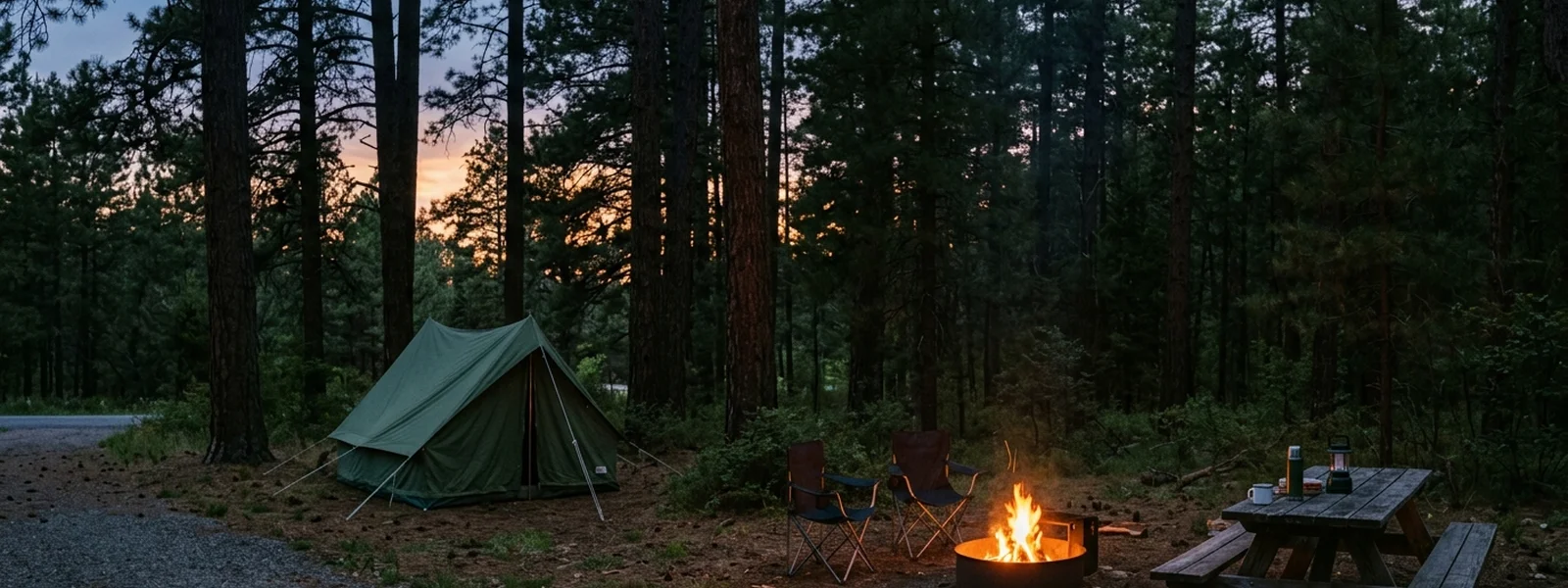
The Ground Is Hard and Roots Are Sneaky
Let's be honest about sleeping on the ground. No matter how much time you spend kicking away pinecones and smoothing out the dirt, a rogue root will always find its way directly under your kidneys at two in the morning. You wake up stiff, tired, and wondering why you do this for fun. If this sounds familiar, you might be ready to look up.
Ditching the tent for a suspended sleep system is a massive shift in how you spend your nights in the woods. But jumping straight into it without a plan is a quick way to end up cold, cramped, and miserable. Navigating hammock camping for beginners means learning a whole new set of rules about insulation, angles, and tree selection.
We camp in state parks, cook questionable meals over a fire, and argue about the best way to stack firewood. We also know the value of a good night's sleep before a long day on the trail. This guide will walk you through the gear you need, the mistakes to avoid, and the truth about sleeping suspended in the trees.
Is Hammock Camping Comfortable?
This is the first question everyone asks. The answer is yes, but only if you know what you are doing. If you just buy a cheap backyard net, string it up tight as a guitar string, and lay straight down the middle, you will fold up like a human taco. Your shoulders will crush inward, your knees will lock backward, and you will hate every minute of it.
The secret to comfort is the diagonal lay. When you set up your system correctly, you do not sleep parallel to the fabric. You angle your body about 30 degrees off the center line. Your head goes to one side of the center, and your feet go to the opposite side.
This diagonal position flattens out the fabric under you. Suddenly, you are no longer bent like a banana. You are laying flat, supported evenly across your entire body. Many side sleepers find they can still sleep on their sides this way. People with back pain often report waking up feeling better than they do in their bed at home.
So, is hammock camping comfortable? Absolutely. But it requires a wide enough hammock (usually at least 10 to 11 feet long for an average adult) and the right sleeping angle. Skip the double-wide backyard loungers with the wooden spreader bars. Those are for afternoon naps, not overnight trips. You want a gathered-end camping specific model.
The Pros and Cons of Hammock Camping
Like any gear choice, leaving the tent behind comes with trade-offs. Understanding the pros and cons of hammock camping will help you decide if it fits your style of spending time outside.
The Good Stuff
- Terrain Independence: You do not need flat ground. You can set up over rocks, roots, muddy puddles, or on a steep hill. As long as you have two trees, you have a bed.
- Fast Setup: Once you learn your knots and straps, you can have your shelter up in under three minutes. This is a lifesaver when you roll into a campsite right as a rainstorm hits.
- Summer Cooling: Being suspended in the air means maximum airflow. On a hot, sticky July night, nothing beats the breeze wrapping around you.
- A Built-In Camp Chair: Your bed doubles as a comfortable seat for cooking, reading, or just staring at the fire.
The Not-So-Good Stuff
- The Cold Butt Syndrome: That same airflow that feels great in July will freeze you in October. Any insulation under your body gets compressed by your weight, rendering it useless. You have to buy specific gear just to stay warm underneath.
- Tree Dependency: If you camp in the desert, above the tree line, or in heavily regulated parks that ban hanging things from trees, you are out of luck.
- Zero Gear Storage: A tent gives you a private room to spread out your clothes, bag, and boots. In a hammock, your gear stays outside on the ground or hangs from your suspension line.
- Changing Clothes is a Workout: Trying to put on pants while suspended in a fabric cocoon requires the core strength of a gymnast.
Hammock Camping Setup: The Essential Gear
You cannot just grab a woven net from a beach shop and head into the woods. A proper overnight hammock camping setup requires a modular system designed to protect you from bugs, rain, and cold.
1. The Hammock Itself
Look for a gathered-end model made from ripstop nylon. Length matters immensely. If you are over five foot six, you want an 11-foot hammock. Shorter models will force your shoulders inward. It should feel roomy, not restrictive.
2. The Suspension System
Never use bare ropes. Thin ropes cut into the bark, damaging the cambium layer of the tree and potentially killing it. Always use wide webbing straps (at least one inch wide) to distribute the weight. Daisy-chain straps are incredibly popular for beginners because they require zero knot-tying knowledge. You just wrap the strap around the tree, pass it through its own loop, and clip your carabiner to the right slot.
3. The Bug Net
Unless you only camp in the dead of winter, a bug net is non-negotiable. Mosquitoes can and will bite right through thin nylon fabric. Some models come with integrated bug nets that zip right on. Others use a separate net that slides over the entire setup like a giant tube. Integrated nets are easier; separate nets let you leave the extra weight at home during cold trips.
4. The Rain Tarp
Your tarp is your roof. It strings up on a separate line above you and stakes down to the ground on either side. A standard diamond-shaped tarp is lightweight but offers minimal protection from blowing rain. A hex tarp or a tarp with doors gives you much better coverage when a storm rolls in. Always hang your tarp first if it is raining, so you can set up the rest of your gear while staying dry.
How to Find the Right Trees and Hang It Correctly
Finding the perfect spot is an art form. You are looking for two healthy, living trees roughly 12 to 15 feet apart. They should be thick enough that they do not bend when you put your weight on them—usually at least six inches in diameter.
Before you attach a single strap, look up. You are checking for "widowmakers." These are dead branches hanging loose in the canopy that could fall on you during the night. A light breeze is all it takes to bring a heavy dead branch down. If you see dead wood above, find different trees.
Once you have your trees, it is time to hang the straps. Aim to wrap the straps around the tree at about head height. When you clip in, you want the suspension lines to come down at a 30-degree angle. This angle is the magic number. If the lines are too tight (horizontal), the tension forces the hammock walls to close in on you. If the lines are too loose, you will sag too much and hurt your back.
When you sit in it, your bottom should be about 18 inches off the ground. This is roughly the height of a standard chair, making it easy to get in and out without pulling a muscle.
Staying Warm on Cool Nights
We need to talk about insulation, because this is where most beginners fail. When you sleep in a tent, the ground is cold, but the air inside the tent warms up slightly. When you sleep suspended, the cold air flows completely around you. More importantly, your body weight crushes the insulation on the bottom of your sleeping bag. A crushed sleeping bag provides zero warmth.
To fix this, you have two options. The cheap option is to slide a foam sleeping pad inside the hammock with you. It works, but it is clumsy. The pad will slide around, and your shoulders might still get cold where they touch the sides.
The better option is an underquilt. This is a specialized blanket that hangs on the outside of your hammock, wrapping under your body. Because it hangs outside, your body weight does not crush the insulation. It creates a pocket of trapped, warm air right beneath you. It is a game-changer for fall and spring trips.
For top insulation, a standard sleeping bag works, but zipping yourself into a mummy bag while laying in a hammock is an annoying wrestling match. Most experienced hangers switch to a topquilt—a sleeping bag with no back that just tucks around your sides. If you are still figuring out your insulation strategy, check out our guide on How to Choose a Sleeping Bag That Doesn't Suck for tips on temperature ratings and fill types.
Comparing the Experience to Sleeping in a Tent
Shifting from a tent to a suspended setup changes the entire rhythm of your campsite routine. In a tent, you have a room. You crawl in, toss your duffel bag in the corner, change your socks, and read a book by your lantern. It feels enclosed and protected.
A hammock is just a bed. Your gear stays outside. You will need to hang your backpack from the tree using an extra carabiner, or place it on a small piece of Tyvek under your tarp. You learn to keep your headlamp and water bottle in the small ridgeline organizer above your head.
Getting dressed requires strategy. You either change outside under your tarp while hunched over, or you attempt the highly ungraceful maneuver of pulling pants on while laying on your back inside the bug net. It takes practice, and it will look ridiculous the first few times you try it.
But the payoff is the connection to the woods. Without nylon walls blocking your view, you wake up looking directly at the trees. You hear the wind differently. You can watch the campfire burn down from the comfort of your sleeping bag.
The Minimalist Mindset
Leaving the bulky tent behind often triggers a desire to lighten the rest of your load. Once you realize how little you need to sleep comfortably, you start looking at your heavy two-burner stove and cast-iron skillet differently. You begin to appreciate gear that serves multiple purposes and takes up less space in your pack.
If you are rethinking your sleep system, it might be time to rethink your camp kitchen too. Simplifying your setup means less time packing and more time sitting by the fire. For a deeper dive into streamlining your mess kit, read through our Campsite Cooking Gear: A Minimalist's Guide.
Final Thoughts Before You Hang
Mastering hammock camping for beginners does not happen on the first night. Your first setup will probably be too tight. You might forget your bug net and get eaten alive. You will almost certainly get cold on your first fall trip because you underestimated the wind.
Do not let that stop you. The learning curve is short, and the reward is waking up without a single ache in your lower back. Start small. Take your setup to a local park for an afternoon nap. Practice hanging the tarp in your backyard. Learn a bowline knot and a taut-line hitch.
The woods look entirely different when you are floating a foot and a half off the ground. Once you dial in the diagonal lay, figure out your underquilt, and get your tarp pitched tight against the rain, you might never want to sleep on the dirt again. Grab your straps, find two good trees, and see for yourself.

Published by Camp Life Shirts
Wear the Wilderness
Frequently Asked Questions
Do you need a sleeping pad in a hammock?
Yes, unless you are using an underquilt or camping in very hot weather. The air circulating under you will drain your body heat quickly, and a sleeping pad or underquilt provides necessary insulation.
Can side sleepers use a camping hammock?
Yes. By laying diagonally across the fabric rather than straight down the middle, the hammock flattens out. This allows most side sleepers to rest comfortably without bending their spine.
What happens if it rains while hammock camping?
You stay dry by setting up a rain tarp above your hammock. A properly pitched tarp blocks wind and rain, and since you are suspended off the ground, you never have to worry about water pooling under your tent.
Are hammocks bad for your back?
When set up correctly with a diagonal lay, hammocks provide excellent, even support without pressure points. Many campers with lower back pain prefer them over sleeping on hard ground.
How far apart should trees be for a hammock?
Look for sturdy, living trees that are roughly 12 to 15 feet apart. This distance gives your suspension straps enough room to achieve the ideal 30-degree hang angle.
First Look at New Camping Shirt Drops
New designs, camp tips, and first access to new camping shirts — straight to your inbox, no fluff.