
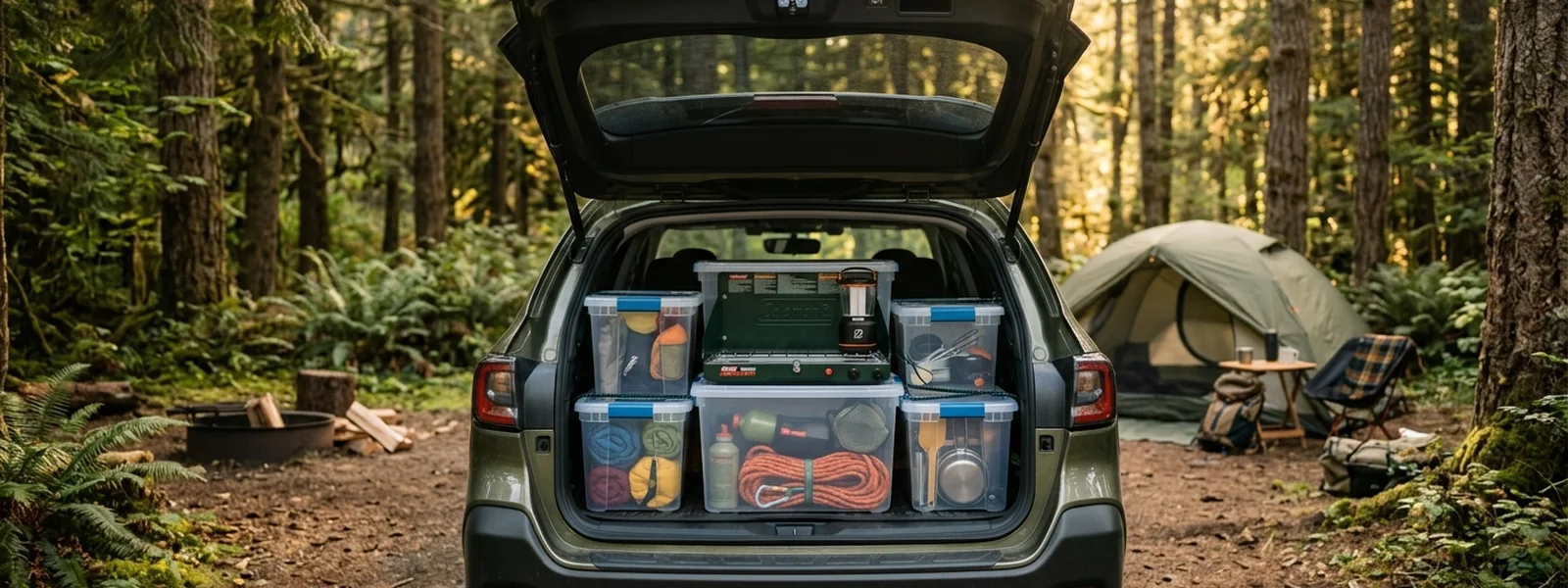
You finally got the tent pitched. The stakes are in the ground, your sleeping bag is unrolled, and the cooler is officially open. You drop into your camp chair, crack open a cold drink, and take a deep breath of that pine-scented air. Then you hear it. That unmistakable, high-pitched whine hovering right next to your left ear. The welcoming committee has arrived.
Mosquitoes, black flies, gnats, and ticks. They are the unofficial mascots of the woods. Figuring out how to keep bugs away camping is a survival skill that ranks right up there with starting a fire with damp wood or making coffee without a proper filter. It is the dividing line between a relaxing weekend away and three days of miserable, relentless scratching.
We have all been there. You try to tough it out. You slap your arms, swat at the air, and tell yourself it is just part of the experience. But by nightfall, you are hiding in your sleeping bag, sweating, refusing to go out to use the bathroom because the swarm is waiting for you. You do not have to live like this.
We camp in state parks, cook questionable meals over a fire, and argue about the best way to stack firewood. We know the reality of the woods. Bugs are out there, and they are hungry. But with a little preparation and the right gear, you can make your campsite a highly unappealing target. Here is how to handle the swarm without losing your mind.
Choosing a Campsite That Does Not Double as a Swamp
The battle against bugs starts before you even unpack the car. It starts when you are staring at the campground map trying to pick a spot. Location is everything. If you want to know how to keep bugs away camping, the first rule is to look at the water situation.
Stagnant water is a mosquito factory. Puddles, marshy edges of lakes, slow-moving creeks, and drainage ditches are where they breed. That lakeside spot looks beautiful in the photos, but in mid-July, it might be a warzone. If you have the option, pick a site that sits a little higher up.
Wind is your best friend. Mosquitoes are notoriously weak flyers. A breeze of just one or two miles per hour is enough to ground them. Look for campsites on a slight ridge, a small hill, or an open area where the air moves freely. Dense, thick brush blocks the wind and traps humidity, creating the perfect microclimate for blood-sucking insects to thrive.
Take a walk around your site before you pitch the tent. Are there deep ruts filled with rainwater? Is the grass knee-high? If the site feels heavy, damp, and still, you are going to need to work a lot harder to keep the bugs at bay. Choose your ground wisely, and you have already won half the battle.
Sprays, Lotions, and Wearables: What Really Works
Let us talk about the chemical warfare required for a peaceful weekend. There are a million products on the market, but when it comes to finding the best bug spray for camping, you need to stick to the proven heavy hitters.
DEET is the old reliable. It has been around forever, and it works. It creates a barrier on your skin that confuses mosquitoes and keeps them from landing. The downside? It smells like a chemistry lab, leaves you feeling greasy, and can melt certain plastics. If you get high-concentration DEET on your sunglasses or watch strap, you are going to have a bad time.
This is why Picaridin has become the go-to mosquito repellent for camping. It is a synthetic compound modeled after the natural repellent found in black pepper plants. It is just as effective as DEET at keeping mosquitoes and ticks away, but it does not feel greasy, it does not smell terrible, and it will not dissolve your gear. It is a massive upgrade for your camp kit.
Then there are the natural options. Lemon eucalyptus oil, citronella, and various herbal blends. Do they work? Sort of. They might give you twenty minutes of peace, but you have to reapply them constantly. If you are deep in the woods during peak mosquito season, the natural stuff is like bringing a water pistol to a fire.
If you want a serious defense, look into permethrin. This is a treatment for your clothes, not your skin. You spray it on your pants, socks, and shirts before you leave home, let it dry, and it lasts through multiple washes. Bugs land on the treated fabric and immediately regret their life choices. It is highly effective, especially for ticks. Treating your favorite camp shirt before a long weekend is a solid move.
The Magic of a Screened-In Canopy
If you are car camping, a screened-in canopy is the greatest piece of gear you can own. It is a sanctuary. It is a safe room. It is the one place in the campsite where you can eat a hot dog without a side of yellowjackets.
Yes, it takes up space in the trunk. Yes, it takes ten minutes to set up, and you will probably argue with your camping partner about which fiberglass pole goes into which sleeve. But the moment you zip that mesh door shut and watch a dozen mosquitoes bounce harmlessly off the outside, you will realize it was worth every second of hassle.
Set up your screen tent over the picnic table. This gives you a dedicated bug-free zone for cooking, eating, and playing cards when the sun goes down. Keep the doors zipped at all times. If you leave the door open while you walk to the cooler, you defeat the entire purpose of the tent.
A pro tip for the screen tent: hang a small lantern from the center loop, but keep it dim. Bright lights attract bugs. If you have a bright lantern, set it up on a pole ten feet away from your screen tent. Let the bugs swarm the bright light over there while you sit in the dim, peaceful shade of your mesh fortress.
Fire, Smoke, and Alternative Tactics
A good campfire is more than just a place to roast marshmallows. It is a functional tool for keeping bugs at bay. Mosquitoes hate smoke. If you can position your camp chairs so you are sitting in the light drift of the campfire smoke, you will notice a huge drop in bug activity.
Of course, the wind changes direction every three minutes when you are camping, so sitting in the smoke is a bit of a moving target. You will end up smelling like a smoked brisket by Sunday morning. When you get home, you might want to read up on How to Wash Camp Clothes to Get the Campfire Smell Out (Or Not). Some of us like the smell. It is a badge of honor.
Beyond the fire, modern technology has given us some solid tools. Thermacell devices are incredibly popular right now. They use a small butane cartridge to heat a mat soaked in repellent, creating a fifteen-foot zone of protection. They do not smell, they do not make noise, and they are highly effective for stationary activities like sitting around the fire ring.
What about citronella candles? Save your money. Unless you are sitting directly on top of the candle, the wind just blows the scent away. They look nice on the picnic table, but they are not going to stop a determined mosquito from finding your ankles.
The Tent Door Dance
Your sleeping tent is your final line of defense. There is nothing worse than lying in the dark, exhausted from a long day of hiking, and hearing a mosquito buzzing somewhere near the ceiling. You turn on your headlamp, but it disappears. You turn the light off, and the buzzing returns. It is psychological torture.
To prevent this, you have to master the tent door dance. When you go into the tent, you do not throw the door wide open and stand there admiring your sleeping bag. You unzip it just enough to squeeze your body through, and you zip it shut immediately behind you.
Do not leave the tent door unzipped to air it out unless the mesh screen is fully secured. If you are dealing with wet conditions and trying to manage moisture, check out our guide on How to Keep Your Tent Clean and Dry (Even When It Rains). You can manage airflow through the top vents without inviting the local insect population inside.
Before you go to sleep, do a quick sweep with your headlamp. Check the corners. Check the ceiling. If a bug made it inside during the door dance, deal with it before you get into your sleeping bag.
The Post-Hike Tick Check Is Not Optional
Mosquitoes are annoying. Ticks are a genuine problem. Depending on where you camp, avoiding ticks should be your number one priority. They hide in tall grass, brush, and low-hanging branches, waiting for a warm body to brush past.
If you are hiking, stay in the center of the trail. Do not bushwhack through the tall stuff if you can avoid it. Wear light-colored pants so you can see the little dark specks crawling up your leg. Tuck your pants into your socks. Yes, you will look like a massive nerd. No, nobody in the woods cares. Looking like a nerd is far better than dealing with a tick bite.
When you get back to camp, the tick check is mandatory. Every single time. Check your ankles, behind your knees, your waistband, and your hairline. Ticks like to find warm, hidden spots. If you brought your dog along, you need to check them twice as thoroughly. Dogs are tick magnets, and they will happily carry those pests right into your tent.
- Check behind the ears.
- Check the waistline and belt area.
- Check the back of the knees.
- Check around the ankles and inside socks.
If you do find an attached tick, do not panic. Do not try to burn it off with a match. Do not cover it in petroleum jelly. Get a pair of fine-tipped tweezers, grasp the tick as close to the skin as possible, and pull straight up with steady pressure. Clean the area with an alcohol wipe and keep an eye on it for a few days.
Acceptance and Preparation
At the end of the day, bugs are part of the woods. You are visiting their house. You are never going to eliminate them completely, and that is fine. A few mosquito bites are a small price to pay for a weekend spent under the stars, away from traffic, sitting by a fire.
But you do not have to be an all-you-can-eat buffet. By choosing a smart campsite, using the right repellents, setting up a screen tent, and staying vigilant about ticks, you can tilt the odds heavily in your favor.
Pack smart, apply your bug spray, and do not let a few insects ruin your trip. The woods are waiting. Go get your gear ready, double-check your packing list, and make sure your headlamp has fresh batteries. We will see you out there by the fire.

Published by Camp Life Shirts
Wear the Wilderness
Frequently Asked Questions
What is the best mosquito repellent for camping?
Picaridin and DEET are the most effective options for heavy bug pressure. Picaridin is highly recommended because it works just as well as DEET but doesn't feel greasy or melt plastic gear.
Do citronella candles work at a campsite?
Citronella candles provide very limited protection. They only work if there is zero wind and you are sitting directly next to them, making them ineffective for a breezy campsite.
How do you keep bugs out of a camping tent?
Keep the doors zipped shut at all times. When entering or exiting, unzip just enough to squeeze through and zip it immediately behind you. Never leave the door open to air out the tent.
Does campfire smoke keep mosquitoes away?
Yes, mosquitoes generally avoid smoke. Sitting in the path of the campfire smoke can provide temporary relief from bugs, though shifting winds make it an unreliable primary defense.
How can I prevent tick bites while hiking?
Stay in the center of the trail and avoid tall grass. Wear light-colored clothing, tuck your pants into your socks, and treat your hiking clothes with permethrin before your trip.
First Look at New Camping Shirt Drops
New designs, camp tips, and first access to new camping shirts — straight to your inbox, no fluff.