
If you spend enough time sitting around a fire ring, the debate always comes up. Someone pokes the coals with a stick and asks which side of the country has the better woods. The east coast vs west coast camping argument is as old as canvas tents and cast iron skillets. Both sides have their loyalists. Both sides think the other side is crazy.
We started Camp Life Shirts because we wanted camping gear that actually feels like camp. We camp in state parks, cook questionable meals over a fire, and argue about the best way to stack firewood. We have pitched tents in the humid Appalachian mountains and slept in the back of trucks in the high deserts of the west. The truth is, the differences are massive. The dirt is different. The bugs are different. The way you find a spot to sleep is entirely different.
As we gear up for the 2026 camping season, let us settle this once and for all. Or at least, let us talk about it until the fire burns down. Here is a breakdown of east coast vs west coast camping and what to expect when you pack up the car and head outside.
The Landscape: Dense Forests vs. Wide-Open Spaces
When you look for the best camping east coast style, you are looking for the green tunnel. The east is defined by dense, ancient forests. You are surrounded by oak, maple, and pine trees that block out the horizon. The woods feel close, intimate, and sometimes a little claustrophobic in the best way possible. You are camping under a thick canopy. The ground is covered in damp leaves, moss, and roots that seem perfectly designed to trip you when you walk to the bathroom at midnight.
Out west, the scale changes. The landscape is wide open. You can see weather moving in from twenty miles away. You have towering granite peaks in the Sierra Nevada, vast expanses of red rock in Utah, and coastal cliffs in Oregon. The west coast camping experience often involves dramatic elevation changes. You might start your drive in a hot valley and end up pitching a tent in a high alpine meadow. The dirt out west is dustier. It gets into your boots, your sleeping bag, and your coffee. You do not just camp in the woods out west; you camp in the desert, on mountainsides, and in canyons.
Wildlife Encounters: Who is Outside Your Tent?
Every region has its locals. On the east coast, the wildlife is mostly annoying rather than deadly. The undisputed king of the eastern campsite is the raccoon. These little bandits are smart, fearless, and possess terrifyingly nimble hands. If you leave a cooler unlatched, they will find it. If you leave a bag of hot dog buns on the picnic table, it will be gone before you finish brushing your teeth. You will also deal with black bears, but they usually just want your trash. The real threat on the east coast is much smaller. Camp Life Pro Tip: Always check for ticks after hiking. Every. Single. Time.
Wildlife out west demands a different level of respect. This is grizzly bear country, mountain lion territory, and rattlesnake habitat. You do not just toss your food in the trunk of your car. You use bear canisters. You carry bear spray on hikes. You shake out your boots in the morning to make sure a scorpion did not decide to use them as a hotel. Even the harmless animals out west are aggressive. Marmots will chew through your backpack straps just because they like the salt from your sweat. It keeps you on your toes.
Campsite Culture: State Parks vs. BLM Land
The culture of how you camp is probably the biggest camping differences by region. The east coast is heavily developed. Land is privately owned or heavily regulated. Because of this, east coast camping revolves around state parks and private campgrounds. You get a designated square of gravel, a picnic table, and a metal fire ring. You have neighbors. You can hear their music, and they can hear you arguing about how to set up the tent. You also get amenities like flush toilets and hot showers. If you want a spot for a summer weekend, you better book it six months in advance. If you are looking for ideas, check out 5 State Parks Perfect for a Weekend Camping Trip.
The west coast is the land of dispersed camping. Thanks to massive tracts of public land managed by the Bureau of Land Management (BLM) and the Forest Service, you can often just drive down a dirt road until you find a spot you like, and park. No reservations, no fees, no neighbors. But there are also no bathrooms, no water spigots, and no trash cans. You have to be self-reliant. You pack in your own water, dig a hole when nature calls, and pack out every single piece of trash. It is a more rugged experience that appeals heavily to the RV and van life crowds who bring their own power and water.
Weather and Gear: Humid Nights vs. Dry Cold
If you want to find the best camping west coast spots, you have to understand the temperature swings. The west is dry. You might hike in a t-shirt while sweating in 90-degree heat at 2:00 PM, but the moment the sun drops behind the mountains, the temperature plummets. It is not uncommon to wake up to frost on your tent in July. You learn to dress in layers. You bring a heavy sleeping bag even in the summer. Sun protection is critical because there is often zero shade.
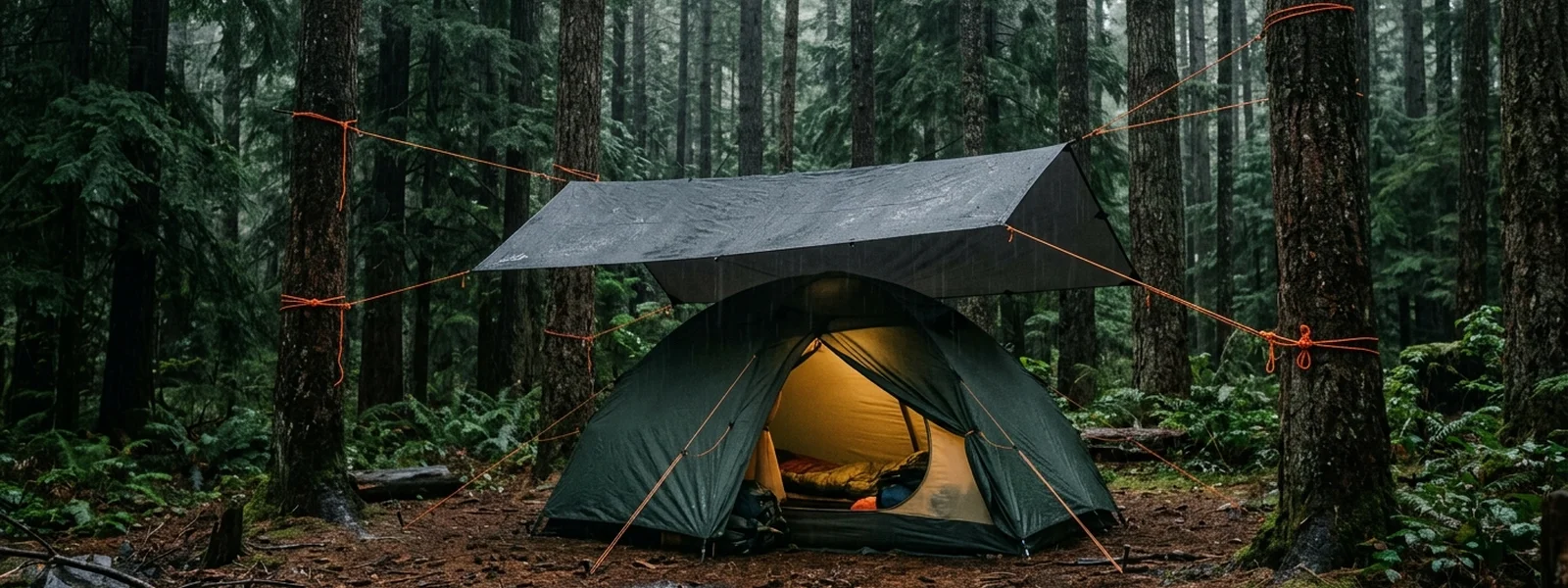
The east coast is a different beast. It is humid. The air feels heavy. When it gets hot on the east coast, it stays hot all night. You will find yourself lying on top of your sleeping bag, sweating, listening to the hum of cicadas and mosquitoes. Rain is also a constant factor. An east coast camper knows how to string up a tarp over the picnic table and has accepted that everything they own will feel slightly damp for the duration of the trip. The gear focus here is on bug spray, rain jackets, and breathable fabrics.
Firewood, Campfires, and Cooking
Cooking over a fire is a universal camping truth, but the rules change depending on your coast. On the east coast, you can almost always have a fire. The woods are wet enough that forest fires are less of a constant threat. The challenge is getting the fire started. East coast firewood is often damp hardwood that requires an entire newspaper and a lot of blowing to catch. Once it gets going, it burns hot and long, leaving perfect coals for wrapping potatoes in foil or roasting marshmallows.
Out west, the campfire is a luxury. Due to severe drought and wildfire risks, many western states implement strict burn bans from mid-summer through the fall. You might spend a week camping in California or Colorado and never light a single log. West coast campers rely heavily on propane camp stoves. When they are allowed to have fires, the softwood pine burns fast, bright, and crackles loudly, but it turns to ash quickly. You have to keep feeding it if you want to stay warm.
Accessibility and the Weekend Getaway
One of the great things about the east coast is accessibility. The states are smaller, and the cities are closer together. You can leave work in Boston, Atlanta, or Philadelphia on a Friday at 4:00 PM and be setting up your tent in a dense forest by 6:00 PM. It caters perfectly to the weekend warrior who just wants a quick escape for two nights. If you are a city dweller looking for a quick exit, read our guide on The Best Camping Near Major US Cities for a Quick Getaway.
West coast camping often requires more windshield time. The distances are vast. Driving four to six hours for a weekend trip is completely normal for someone living in Los Angeles or Seattle. Because of the travel time, west coast trips often turn into longer, multi-day excursions. It is less about a quick weekend escape and more about taking a week off to explore a massive national park or a remote stretch of desert.
The Vibe: Why Both Sides Win
So, which is better in the east coast vs west coast camping debate? It completely depends on what you want out of the trip. If you want the classic, nostalgic summer camp feel with green trees, fireflies, and swimming in lakes, the east coast is unmatched. It feels cozy. It feels like childhood.
If you want rugged independence, jaw-dropping vistas, and the feeling of being a tiny speck in a massive wilderness, you have to head west. The scale of the landscape out there changes the way you think about the world.
But no matter which coast you choose, the core experience remains the same. You are still sleeping on the ground. You are still drinking coffee that tastes a little bit like dirt. You are still sitting in a camp chair, staring at the trees, and realizing you would rather be doing this than anything else. And when you finally pack up the car and drive home, your shirt is still going to smell like campfire smoke. That is the only thing that really matters.

Published by Camp Life Shirts
Wear the Wilderness
Frequently Asked Questions
What is the main difference between East Coast and West Coast camping?
The landscape and culture are the biggest differences. The East Coast features dense, humid forests and organized state parks with amenities. The West Coast offers wide-open landscapes, dry heat, and vast amounts of public BLM land for dispersed camping.
Do I need bear spray on the East Coast?
Generally, no. The East Coast is home to black bears, which are usually easily scared off and mostly interested in your food. Bear spray is highly recommended on the West Coast where grizzly bears live.
What is BLM land camping?
BLM stands for Bureau of Land Management. Mostly found out west, this is public land where you can often camp for free without a reservation. It requires you to be self-reliant as there are no bathrooms, water, or trash cans.
Why are campfires often banned out west?
Due to severe droughts and high wildfire risks, many western states implement strict burn bans during the summer and fall. Campers out west often rely on propane stoves for cooking instead of traditional wood fires.
Are bugs worse on the East Coast or West Coast?
The East Coast generally has more issues with bugs due to the humidity and dense woods. Mosquitoes and ticks are very common, making bug spray an absolute necessity.
First Look at New Camping Shirt Drops
New designs, camp tips, and first access to new camping shirts — straight to your inbox, no fluff.